You How To Deal With Gnats On Houseplants

Dealing with Persistent Gnats in Your Plants
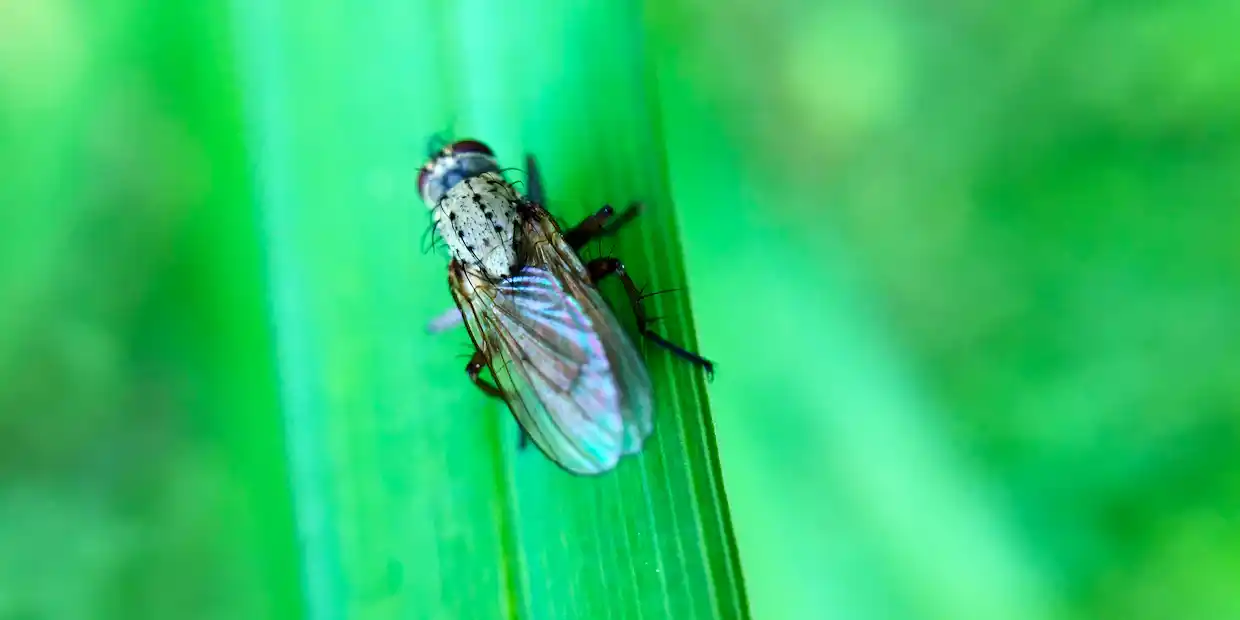
Gnats, those tiny black flies, can be quite a nuisance. Today, I'll guide you on how to get rid of them. Gnats thrive in consistently damp soil, which means you might be overwatering your plant.
In my experience, dealing with gnats is simpler compared to more stubborn pests like spider mites or mealybugs. Controlling mild to moderate infestations is manageable. Act as soon as you spot even one fly. In heavy infestations, gnats burrow deeper into the soil, potentially damaging the entire root system.
For severely infected plants, disposal might be the best option. If unsure, follow my instructions to assess the severity of the infestation. Don't lose hope; let's work together to save your plant.
What You'll Need
- Moisture meter for soil
- Gloves
- Sticky traps
- Bamboo stick
- Paper towels
- Watering container
- New soil
I recommend a well-porous, non-compacting potting mix. More on what I use for fertalizing..
Mild Infestation: Surface Treatment
- Gently remove the top 3-4 inches of soil with a scoop. Take your time to avoid damaging the roots. Dispose of the removed soil.
- Replace with fresh, dry soil to eliminate any eggs that might be present.
Aeration for Faster Drying
- Use chopsticks to aerate the soil, improving oxygen circulation and speeding up the drying process. Insert as deeply as possible and move in large circles.
Moderate Infestation: Repotting
- Carefully remove the plant from the container and inspect the root system. Trim any damaged roots.
- If most roots are brown and mushy, the plant might be beyond saving.
- Remove all old soil, ensuring to keep the roots intact. Repot in fresh potting mix.
Setting Traps
- Assemble sticky traps by placing them on bamboo sticks. Position them around the plant and on other nearby plants to prevent further egg-laying.
Soil Moisture Check
- Use a moisture meter or your finger to check soil moisture. Water only when the soil is sufficiently dry. More on how to use a Soil moisture meter is recommended.
Bottom Feeding Approach
- For plants in self-watering pots, keep the reservoir filled. Ensure saucers under pots don't hold excess water.
Summary
Maintain your composure during the gnat battle. Roll up your sleeves, work diligently, and ensure both your plants and you are content and thriving.
| Key Information Summary |
|---|
| Cause of Infestation: Overwatering leads to damp soil, creating a favorable environment for gnats. |
| Mild Infestation: Remove top soil layer and replace with fresh soil. Aerate soil for faster drying. |
| Moderate Infestation: Consider repotting, inspecting roots, and trimming damaged portions. |
| Traps: Use sticky traps on bamboo sticks to capture adult gnats. |
| Soil Moisture Check: Use a moisture meter or finger test to water only when soil is dry. |
| Bottom Feeding: Consider using self-watering pots or saucers with proper drainage. |
About the Author
Chris Hall
Green Thumbs Aren't Born, They're Made! Christopher Hall has been an avid indoor gardener for over 10 years and has helped many friends and family members keep their plants alive and thriving. He has a blog, which is dedicated to teaching others how to cultivate healthy plants indoors.