Caring For The Snake Plant
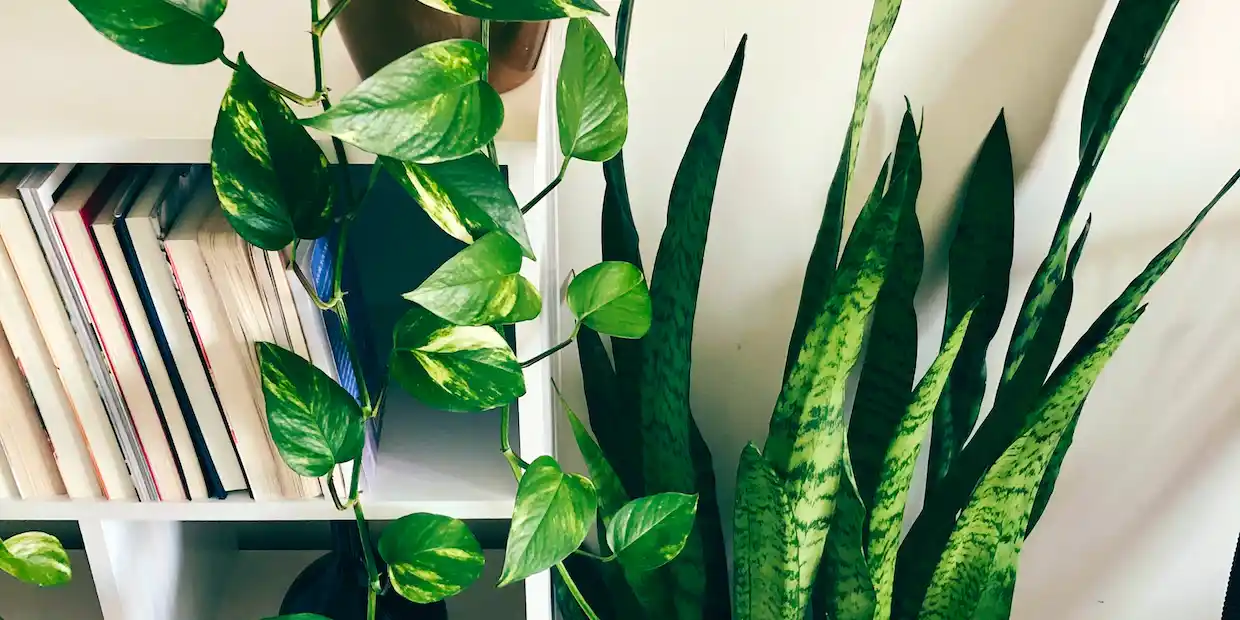

Plant Care Process for Snake Plant
Introduction
In this document, I will describe the process I use to care for the plants in my home. Today is a special day for my snake plant, which is a potent contaminant remover from the air. It requires minimal attention, infrequent watering, and very little care.
Light and Watering
- The snake plant is adaptable to various light conditions, thriving even in low light.
- It can also thrive in sunny locations with just a fluorescent light.
- Due to its succulent nature, it should be cared for like an agave succulent, which means watering sparingly. For tips on avoiding overwatering, refer to Saving Overwatered Plants.
Signs of Dryness
- Some leaves may appear droopy, and upon closer inspection, you may notice they've shrunk in size with creases.
- These are signs that the plant is ready for watering.
Soil Moisture Check
- I use a soil moisture meter and a wooden chopstick as backup to ensure accuracy.
- The meter has three zones: red (dry), green (moist), and blue (very wet).
- I aim to keep the soil in the red zone, ensuring it stays relatively dry.
Watering Process
- I have pots with internal irrigation systems to allow the plants to water themselves.
- After reaching the desired soil level, I fill the water reservoir using an aperture as a funnel. For more tips on effective watering, see Fertilizing Plants and Plant Food.
- For my 30-inch planter, about one gallon of water is required, filled to about three-quarters capacity to avoid waste.
Hydration and Leaf Care
- Once hydrated, the leaves should regain their vigor.
- I clean the leaves using a paper towel dampened with water or a cleaning solution. For further information on leaf care, refer to Keeping Plants Straight and Beautiful.
- I ensure to wipe both the top and underside of each leaf gently.
Additional Resources
For specific plant care concerns, you may find these posts helpful:
- Dealing with Gnats on Houseplants
- Removing and Preventing Mushrooms
- Dealing with Yellow Leaves
- Removing Scale from Houseplants
- Removing Mealybugs from Houseplants
With proper care, the snake plant can thrive, contributing to a healthier indoor environment. It's a low-maintenance and highly beneficial addition to any home.
Plant Care Summary
| Aspect | Snake Plant Care |
|---|---|
| Light | Adaptable (low to high light conditions) |
| Watering | Infrequent, aim to keep soil relatively dry |
| Soil Type | Well-draining succulent soil |
| Hydration | Internal irrigation system for self-watering |
| Cleaning | Wipe leaves with damp paper towel or cleaning solution, ensuring gentle handling |
| Additional | Snake plant is a potent air contaminant remover |
Note: Snake plants are members of the Lilly family and should be cared for accordingly.
About the Author
Chris Hall
Green Thumbs Aren't Born, They're Made! Christopher Hall has been an avid indoor gardener for over 10 years and has helped many friends and family members keep their plants alive and thriving. He has a blog, which is dedicated to teaching others how to cultivate healthy plants indoors.