Why are my leaves turning yellow and how can I fix it
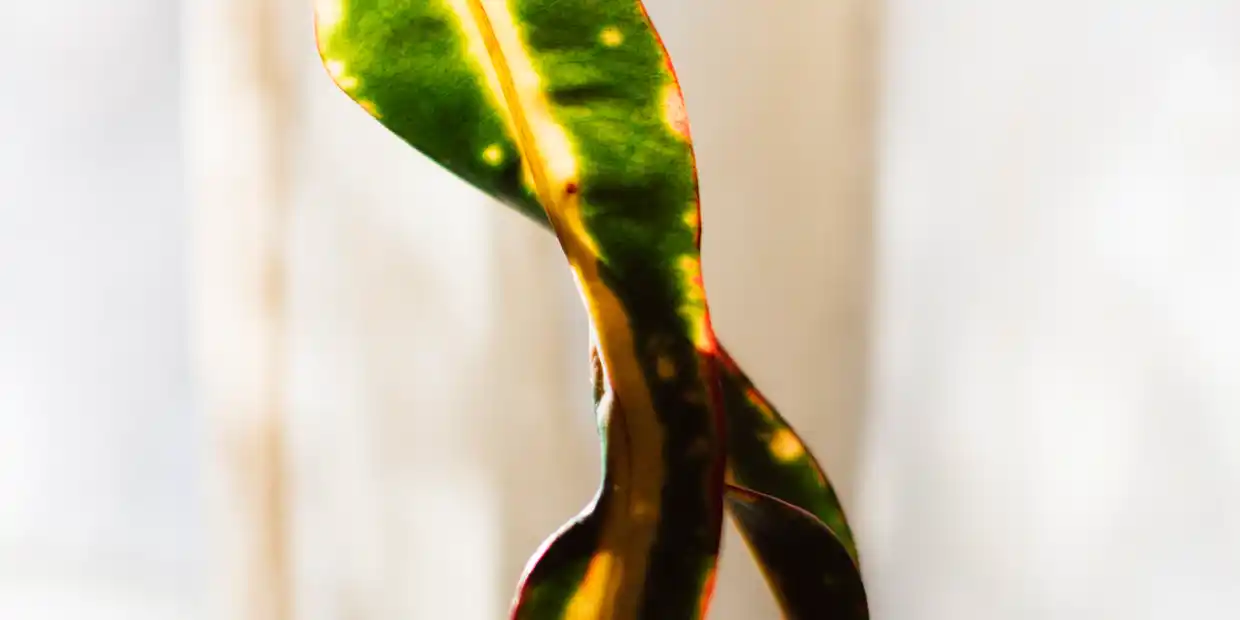

Why Are My Plant's Leaves Turning Yellow?
Today I'll tackle one of the most commonly asked questions: why are the leaves on my plant going yellow? In this post, I will explain what causes leaves to become yellow and how to spot and diagnose the problem. All of this information will help you figure out why the plant is showing signs of being in trouble.
If you've had your plant for less than a month, this is most likely due to acclimatization. Lower leaves are prone to turning yellow during this time. There is no need to be concerned; merely remove the yellow leaves. The discoloration should stop once the plant gets adapted to its new pot, housing, and watering schedule.
Note: For plants less than a month old, yellowing lower leaves is likely due to acclimatization. Simply remove these leaves.
So you've had your plant for a while and the leaves have begun to yellow. The flutter of leaves might indicate a few things: Watering problems, inadequate light, a lack of nutrients, or a previous infestation. Yellow leaves can be caused by either insufficient or excessive irrigation.
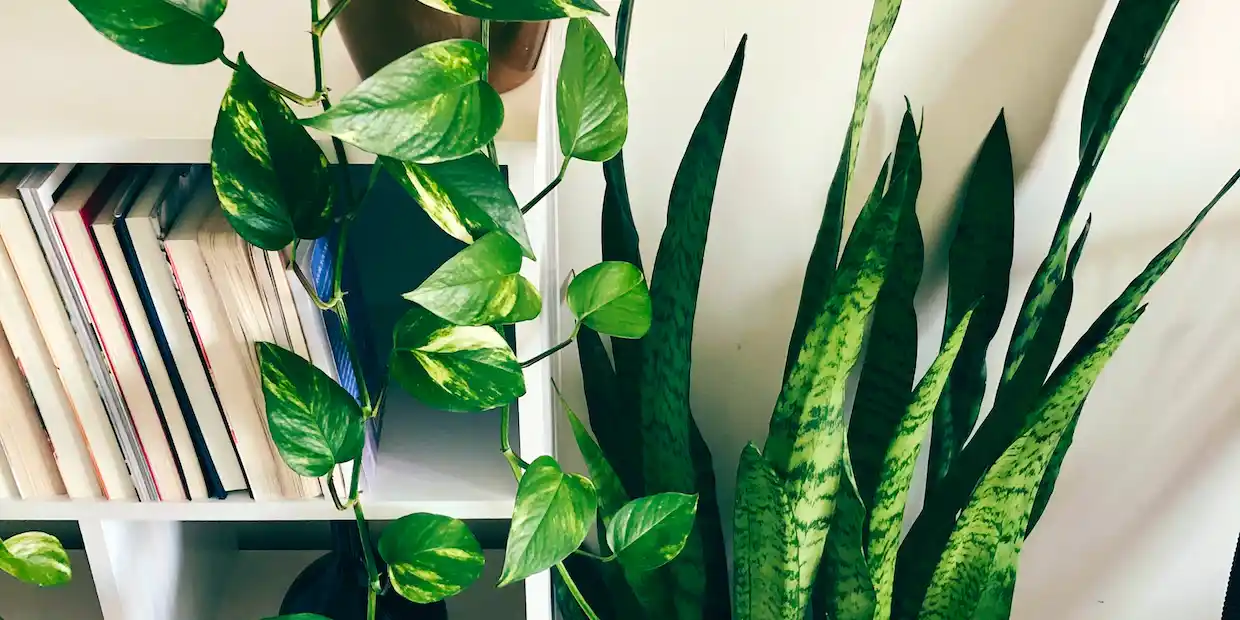
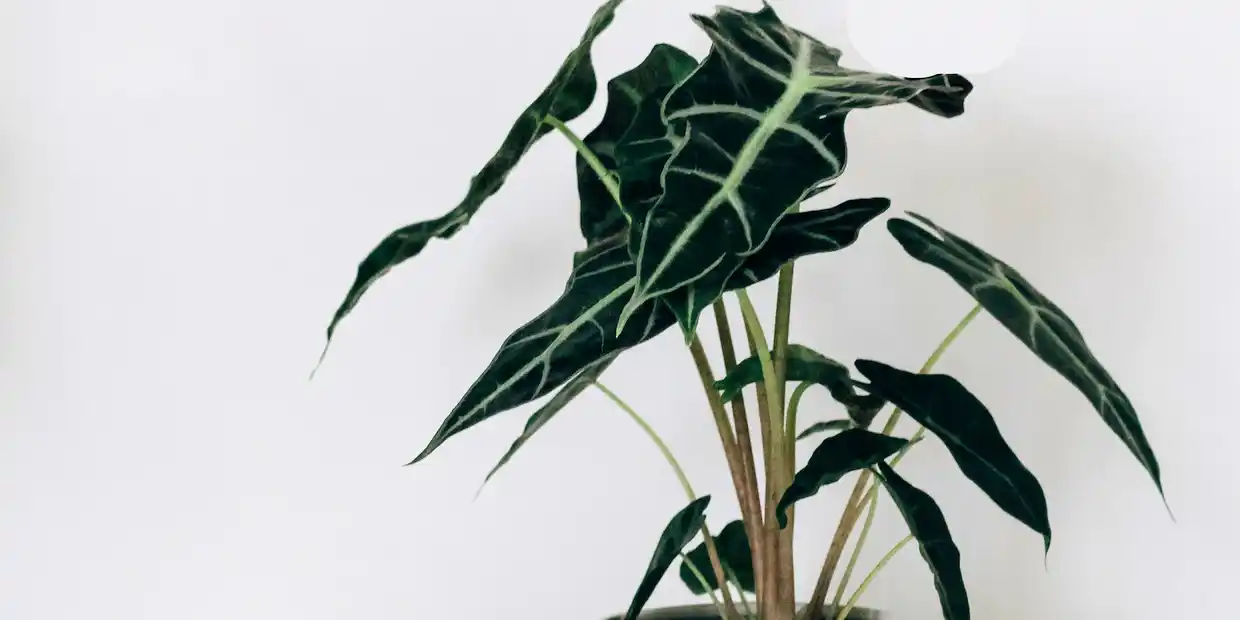
I propose checking the soil once every seven to ten days to establish an appropriate watering frequency. Before a plant like the snake plant may drink, the soil must be born dry all the way through. Plans like aglaonema want to be watered when the majority of the soil is dry but not completely dry. Plants like bird of paradise prefer wet soil and should be irrigated only halfway through the growing season.
Pro Tip: Testing the soil with your finger is usual, but it does not allow you to test the soil at the lower level of medium or large plants. That is why I use and strongly advise using a soil moisture meter to avoid over or under watering.
You only need one instrument to care for an infinite number of plants. Loss of leaf color, drooping, and yellowing may indicate a nutritional deficiency. If you've had your plant for more than a year, you should feed it. The greatest times to fertilize your plants are in the spring and summer, when they are actively developing and require more vitamins to maintain healthy development.
Expert Tip: If your plant is over a year old, consider feeding it in spring and summer for optimal health.
When a plant does not receive enough light, it may exhibit leaf discoloration, loss of color vibrance and form, yellowing, and even droopiness. Low light, medium light, and strong light are the three basic forms of light.
- Low Light: Occurs when there is no sunshine in your location, such as a north-facing window, or when the sunlight is obscured by a nearby structure. Apartments facing the backyard or on the lower levels typically don't get a lot of light. A low-light setting is also one in which there is insufficient natural light but lots of fluorescent light throughout the day.
Important: If you can't read a book in the middle of the day without turning on the light, your environment is too gloomy for any plant to live.
- Medium Light: Partially filtered or indirect sunlight. This occurs when there is sunlight during the day for a few hours in the morning or late afternoon from east or west-facing windows. Filtered sunlight occurs when direct sunlight enters your space throughout the day but is filtered but not prevented by curtains or blinds. The dark location close to a bright spot is an example of indirect sunlight. When you have direct sunshine in your area all day, such as a south, southwest, or southeast-facing window, you have bright light. Remember that most plants dislike extended periods of direct sunlight and thrive in a medium-light setting. If your location has a lot of natural light, move plants away from windows, use drapes to block out the light, or put them in a shaded corner of the room.
Pro Tip: Most plants thrive in medium light settings. Avoid extended periods of direct sunlight.
Leaf yellowing and discoloration can indicate an insect infestation, fungal, or mold problem. Examine your plants more closely. Examine all sides of the leaves, stems, and dirt. Is your plant covered with white fluffy spots?
-
Mealy bugs are what they're called. Do you notice any flat brown oval-shaped bugs? Is there a sticky residue on the planter and the leaves? There is a weighing scale.
-
Do you notice the web and do the leaves feel like they're covered in fine sand? Spider mites are what these are. Do you see black flies around your plants? Gnats are what they are.
-
Do you see any white or silvery areas on the leaves? This is a fungal mildew problem. Do you see any white or yellow leftover mushrooms on the topsoil? This is a fungal mold problem.
Note: Check for pests or signs of fungal problems regularly to keep your plants healthy.
Additional Tips:
-
Temperature: Plants like temperatures ranging from 65 to 84 degrees Fahrenheit. Remember to rotate your plant to get equal light exposure on all sides.
-
Always test the soil before watering to ensure that it is dry enough and that your plant is thirsty.
You now understand what causes leaves to become yellow.
| Topic | Tips |
|---|---|
| Acclimatization | For plants < 1 month, yellow lower leaves are normal. |
| Watering Frequency | Check soil every 7-10 days for appropriate watering. |
| Nutritional Deficiency | Feed plants > 1 year in spring and summer. |
| Light Intensity | Choose light based on plant's needs. |
| Pest and Fungal Problems | Regularly inspect leaves, stems, and soil. |
| Temperature | Maintain 65-84°F for healthy plants. |
| Soil Moisture Testing | Always check soil before watering. |
About the Author
Chris Hall
Green Thumbs Aren't Born, They're Made! Christopher Hall has been an avid indoor gardener for over 10 years and has helped many friends and family members keep their plants alive and thriving. He has a blog, which is dedicated to teaching others how to cultivate healthy plants indoors.