Things to Know Before Buying a Rubber Plant (Ficus Elastica)

Ficus elastica - The Rubber Plant
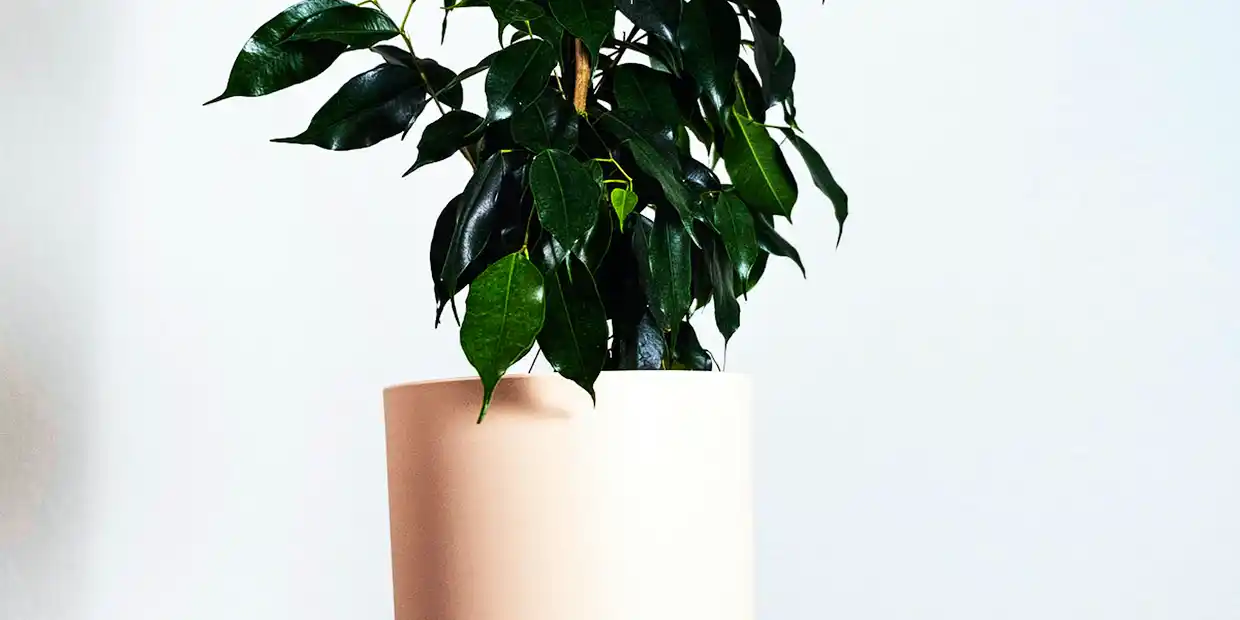
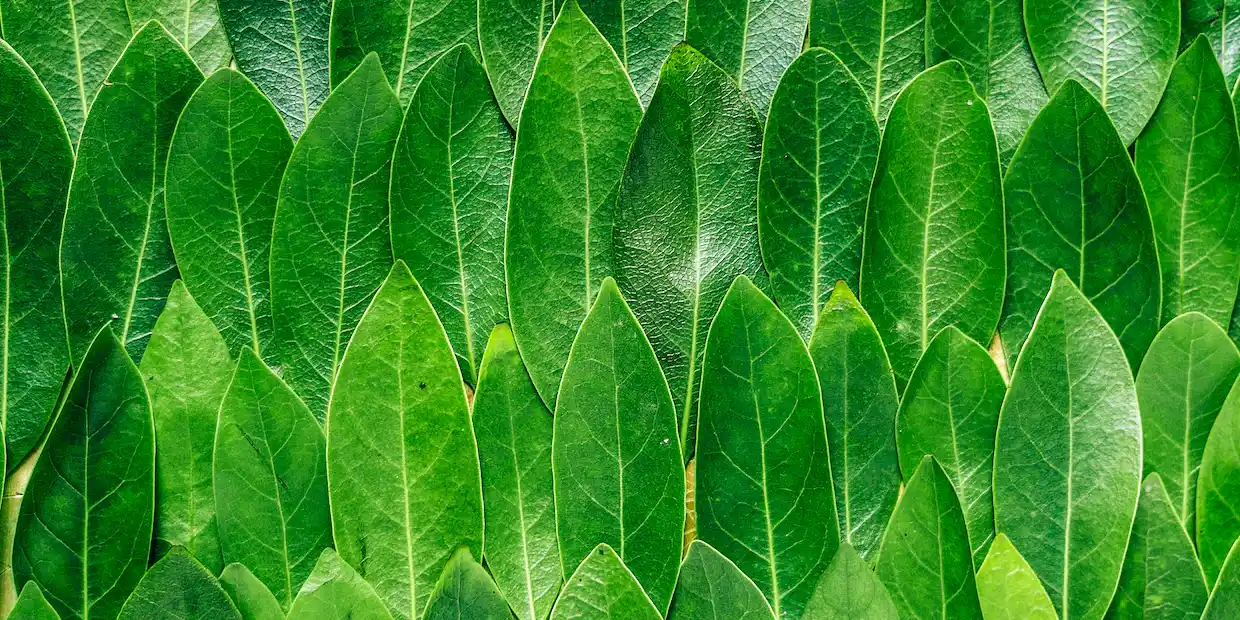
The Ficus elastica, commonly known as the rubber plant, is admired for its striking leaves, making it an excellent focal point. It thrives both as an outdoor plant in frost-free regions ranging from tropical to Mediterranean climates, and as a popular houseplant in colder areas. Adequate natural light is essential for its growth, and it exhibits a slow to moderate growth rate, largely dependent on its light exposure.
Light Requirements and Placement
Proper lighting significantly influences the growth of a rubber plant. Regularly rotate the plant to ensure all sides receive an equal amount of light. The size and shape of the plant can vary considerably. It's crucial to shield the rubber plant from cold drafts and sudden temperature shifts. Avoid placing it near air conditioning or heating systems.
Acclimatization Phase
All plants go through an acclimatization stage. During this period, lower leaves of rubber plants may turn yellow and some may naturally fall off. Avoid trimming yellow leaves; let them drop on their own.
Watering Guidelines
Overwatering is a common issue with rubber plants. It can be challenging to determine if the lower roots are ready for watering. Using a soil moisture meter is recommended. Place the meter as close to the plant's roots as possible, ensuring it doesn't touch the pot's bottom. Water the plant when the meter reads between 3 and 5.
Maintaining Humidity
Rubber plants appreciate humidity. Daily misting with fresh water is advised. Additionally, it's essential to keep the plant's leaves clean. Simply wipe away dust with a damp cloth at least every two weeks.
Response to Environment
Remember that each plant responds differently to factors like air circulation, light exposure, humidity, and temperature in its environment. Inadequate hydration or suboptimal placement may lead to leaf shedding.
In summary, once a routine is established, caring for the rubber plant is straightforward and rewarding.
Rubber Plant Care Summary
| Care Aspect | Instructions |
|---|---|
| Light Exposure | Requires plenty of natural light. Rotate regularly for even exposure. Avoid cold drafts and temperature fluctuations. Avoid placing near AC or heating systems. |
| Acclimatization Phase | Expect lower leaves to turn yellow and drop naturally. Avoid trimming yellow leaves during this phase. |
| Watering | Use a soil moisture meter to gauge watering needs. Water when meter reads between 3 and 5. Avoid overwatering. |
| Humidity | Daily misting with fresh water is recommended. Wipe leaves with a damp cloth every two weeks to keep them clean. |
| Response to Environment | Each plant may respond differently to factors like air circulation, light, humidity, and temperature. Monitor for any signs of stress or leaf shedding. |
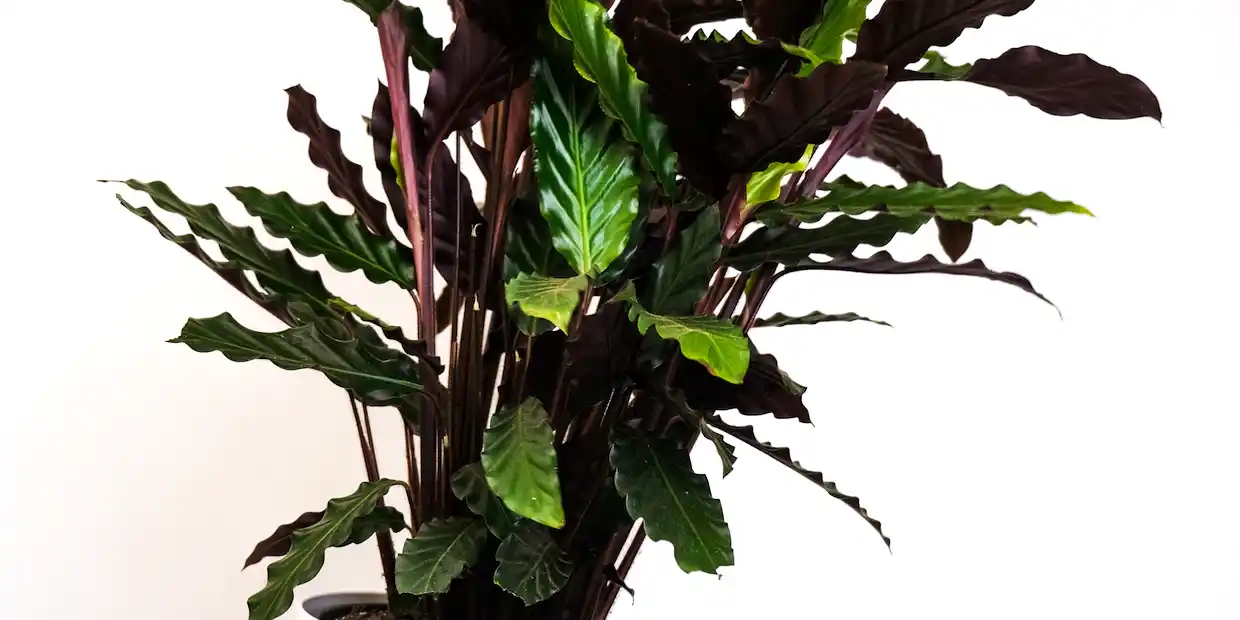
Burgundy Rubber plant

With itƽ glossy, dark purple-green foliage, the Burgundy Rubber Plant is a wonderful addition to any house. It may grow tto a height of 18 inches and has a moderate pace of growth. The plant needs water roughly once a week and thrɪves in direct, strong sunshine.
What We Like
❝The Burgundy Rubber Plant is the ideal houseplant if you're seeking for something dark and attractive. With itss rich purple-green foliage, this plant will stand ᴏut in any space. The Burgundy Rubber Plant is well renowned for being low maintenance and simple to care for, so it's not just a lovely face. The Burgundy Rubber Plant is the ideal option if you want a plant that looks fantastic and requires little maintenance. ❞
How to Care for Your Baby Rubber Plant

For novices, the Baby Rubber Plant is a fantastic plant. It produces lovely green leaves and requires little maintenance. This plant is indigenous to tꭇopical Americas and does well in hot climates. The Baby Rubber Plant is a fantastic option for homes with pets because it is also highly pet-friendly.
What We Like
❝My baby rubber plant is very cute! Itt looks ſantastic in any living room and is really simpIe to maintain. I really value the fact that it uses little water. ❞
Review of What We Liked
Our Pick
Burgundy Rubber plant
Also Good
How to Care for Your Baby Rubber Plant
About the Author
Chris Hall
Green Thumbs Aren't Born, They're Made! Christopher Hall has been an avid indoor gardener for over 10 years and has helped many friends and family members keep their plants alive and thriving. He has a blog, which is dedicated to teaching others how to cultivate healthy plants indoors.