Things to Consider Before Purchasing a Bird of Paradise Indoor Plant

Bird of Paradise Care Tips
| Information | Fact |
|---|---|
| Scientific Name | Strelitzia reginae |
| Common Names | Bird of Paradise, Crane Flower, Orange Bird of Paradise |
| Native Habitat | South Africa |
| Light Requirements | Requires bright, indirect sunlight. |
| Watering Frequency | Keep soil consistently moist but not waterlogged. Allow the top inch to dry out before watering. |
| Soil Type | Well-draining soil mix. |
| Growth Rate | Grows moderately to quickly, depending on light conditions. |
| Leaf Characteristics | Leaves have natural splits, varying in size and location. |
| Maintenance Tips | Trim yellow or brown leaves close to the stem. Keep leaves clean by wiping with a damp cloth. Avoid extreme temperatures. |
| Fun Fact | The Bird of Paradise plant is named for its resemblance to the exotic plumage of a tropical bird. |
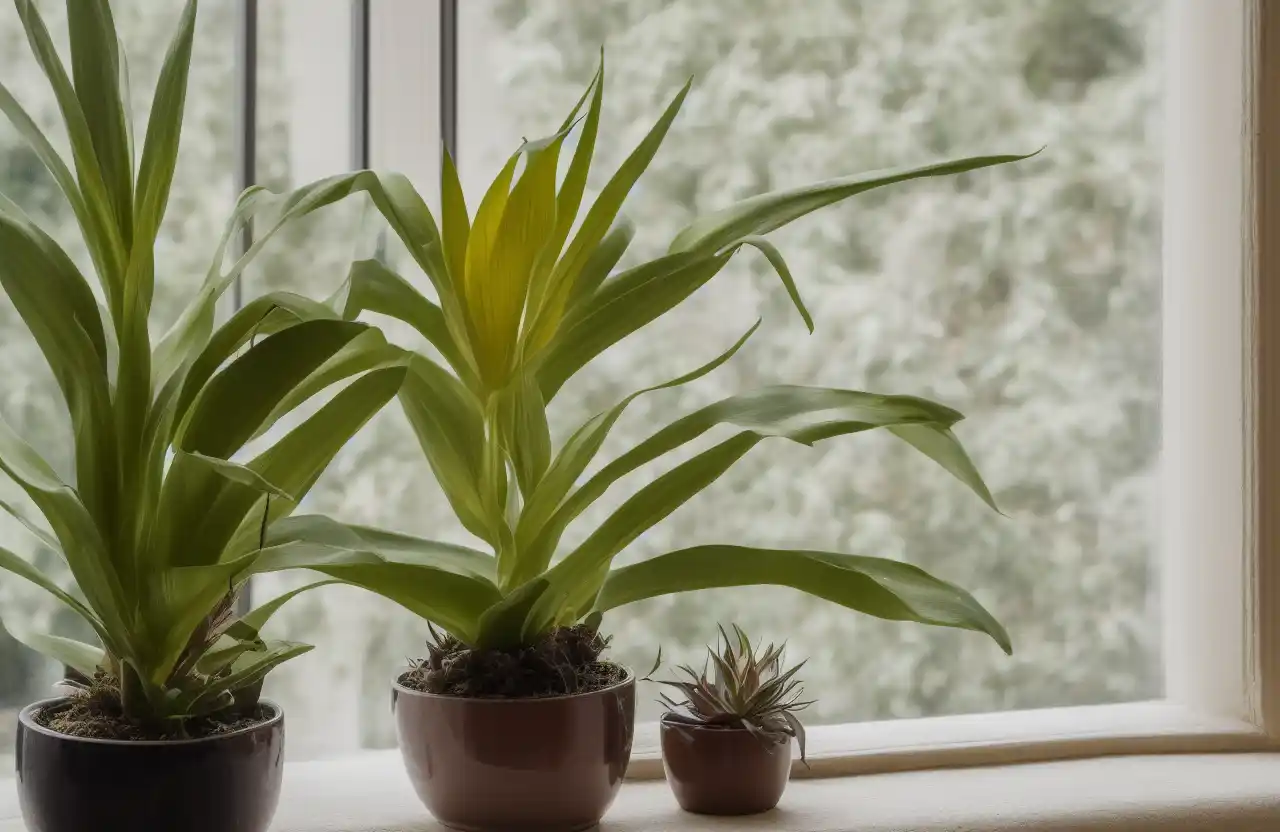
The Bird of Paradise is a tropical plant that demands a lot of sunlight. It will grow quickly in a bright light environment, while it will grow slowly in a low light environment. The height and form of each plant may differ. Some will have a broader form with more leaves, while others will be more slender. Each plant's leaves will have some degree of split, which is quite natural. Some leaf splits are longer and wider, while others are smaller and thinner, and some occur just at the tips of the leaves.
The Bird of Paradise grows moderately to quickly, depending on the amount of light it receives. Ensure you have enough space for your plants considering their potential growth over a year and a half.
During the adjustment stage, some lower leaves may turn yellow or brown. Simply cut the afflicted leaf all the way down to the leaf stem.
Because it's a tropical plant, the Bird of Paradise prefers dampness. We recommend sprinkling it once or twice a day with only water, misting the air around it and the leaves. Additionally, wipe the leaves down with a wet cloth at least once every two weeks to remove any dust.
Avoid placing your plants near air conditioners or heaters, and remember to turn them around often so that all sides of the plant receive the same amount of light.
Please note that these are general suggestions, and each plant may respond differently depending on the airflow, light, humidity, and temperature in your environment.
About the Author
Chris Hall
Green Thumbs Aren't Born, They're Made! Christopher Hall has been an avid indoor gardener for over 10 years and has helped many friends and family members keep their plants alive and thriving. He has a blog, which is dedicated to teaching others how to cultivate healthy plants indoors.