
Cultivating Plants in Low-Light Environments
Is it feasible to cultivate plants in a space that does not have any windows, such as a basement, attic, or hallway? The answer is yes, but it will take some more work on your part to do it. If you're up for the challenge, keep reading to learn how to effectively cultivate plants in areas with no natural light and which plants thrive in such conditions.
Introduction
I have successfully brought more vegetation to a number of areas, including ones that presented a degree of difficulty, and I would gladly discuss my strategies with you. Light is essential to the survival of plants, just as it is to yours and mine. In the event that we do not have access to natural light, we will need to generate an artificial light environment by only making use of grow light bulbs or fluorescent lighting.
Ensuring Adequate Light
When putting in new light fixtures, bear in mind that the room, or at least a portion of it, should have a level of illumination that makes it possible to read a book without straining your eyes. Pretending to be a plant is an easy way to determine whether or not the light is turned on. You may either stand or sit in the designated area beneath the light to determine whether or not it is sufficiently bright. Are you able to read books?
If this is not the case, you may need to adjust the height of the light fixtures, move them so that they are closer to the plants, or install more light fixtures in order to get the intended effect.
Light Duration
What is the recommended length of time for the lights to be on? At a minimum of eight to ten hours each day, and ideally between 12 and 16 hours every day. Please do not leave the lights on for the whole day. Plants, like us, need a break and a good night's sleep. Install timers on your light switches to make things simpler for yourself. You don't have to worry about forgetting to switch the light on and off or running back and forth. The need for increased light exposure is strongly suggested by the presence of weak stems as well as a loss of leaf color and vibrancy. Therefore, plants will communicate with us if they need additional light.
Plants Thriving in Artificial Light
What kinds of plants thrive in environments with supplemental artificial light? Artificially illuminated places come under the low light group. You should choose a plant that is able to adjust to its surroundings and thrive in the conditions that are there. I will discuss with you the top seven houseplants that I have found to thrive in environments with artificial lighting.
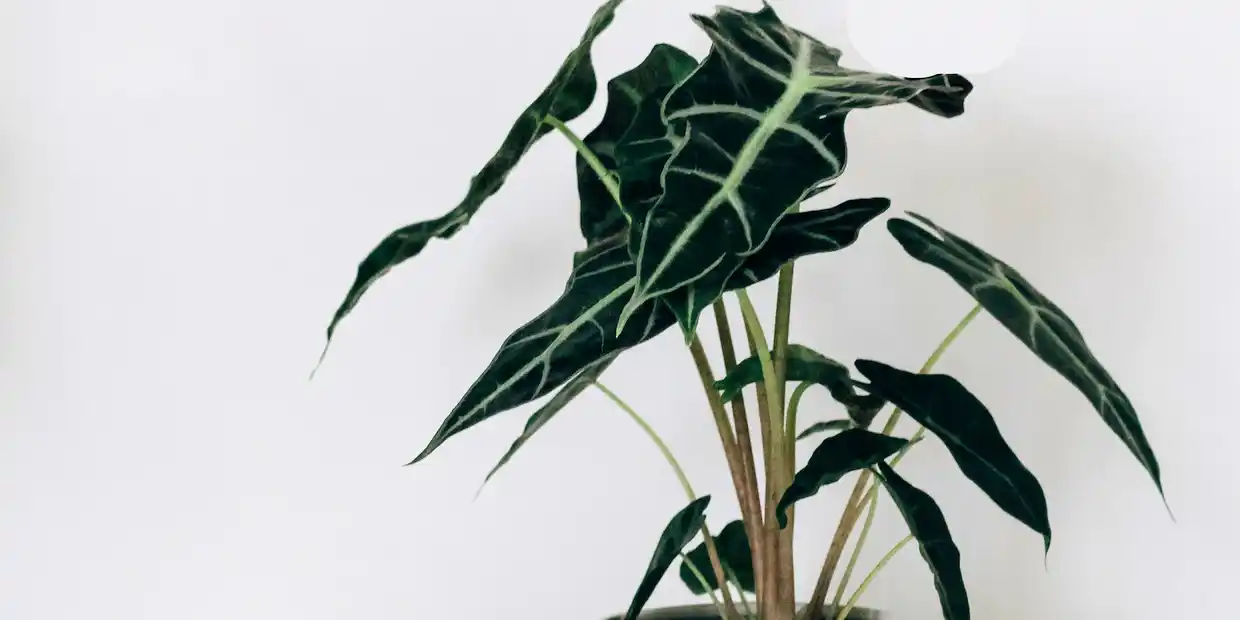
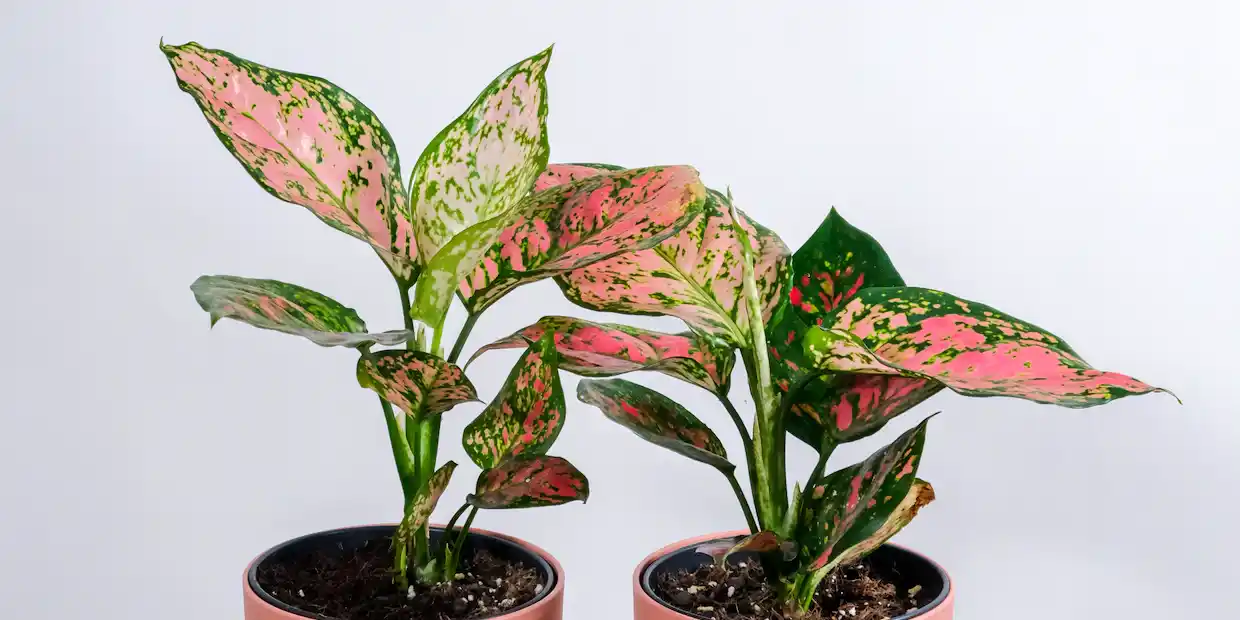
- Aglaonema: I really like how round it is. Select a cultivar with deeper colored leaves for better adaptation to low light.
- Reference: Aglaonema Care Guide
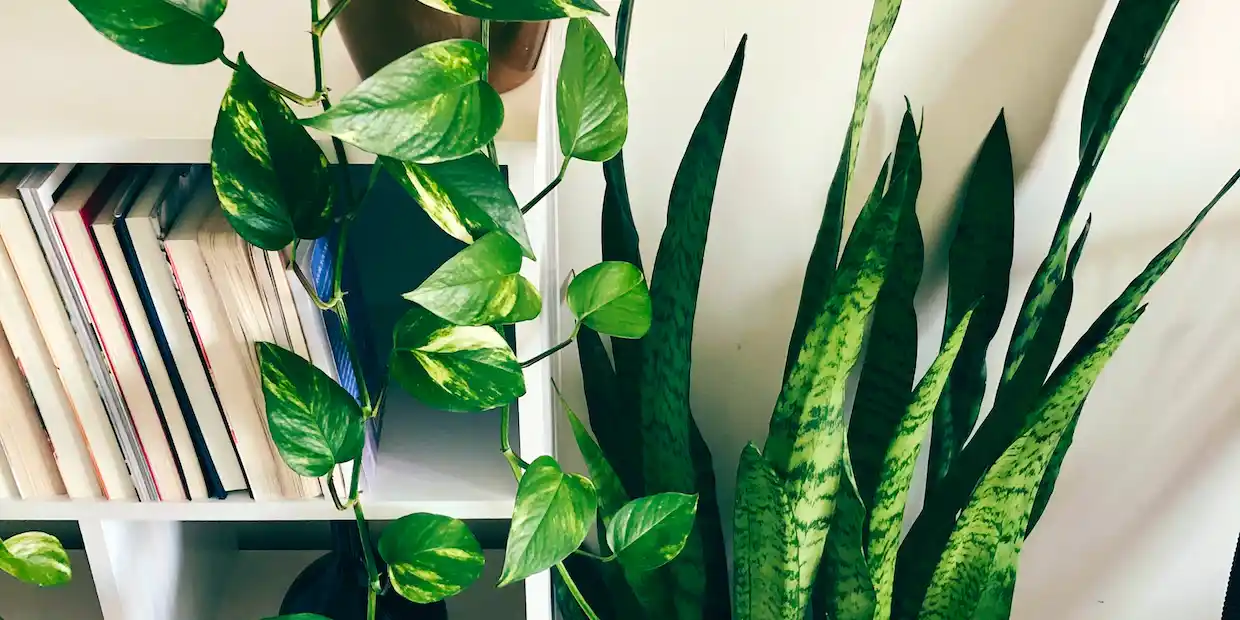
- Snake Plant: Extremely tolerant of drought and requires minimal watering. The darker leaf variant thrives in lower light conditions.
- Reference: Caring for the Snake Plant
- ZZ Plant: Much like the snake plant, it's drought-resistant and needs minimal watering. Its naturally shiny leaves add to its appeal.
- Reference: ZZ Plant Care Guide
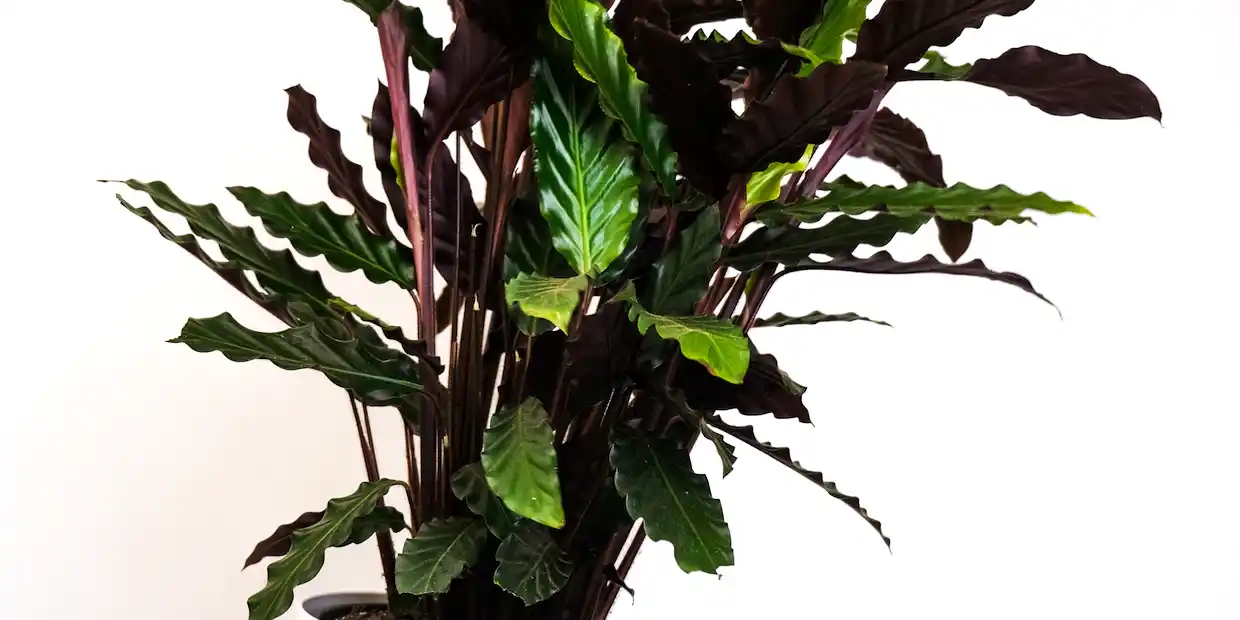
- Pea Lily: Graceful, though it may not bloom as much in low light. Its lovely form and magnificent leaves are attractive even without blossoms.
- Dracaena Lisa: Requires little attention and can withstand a lot of abuse.
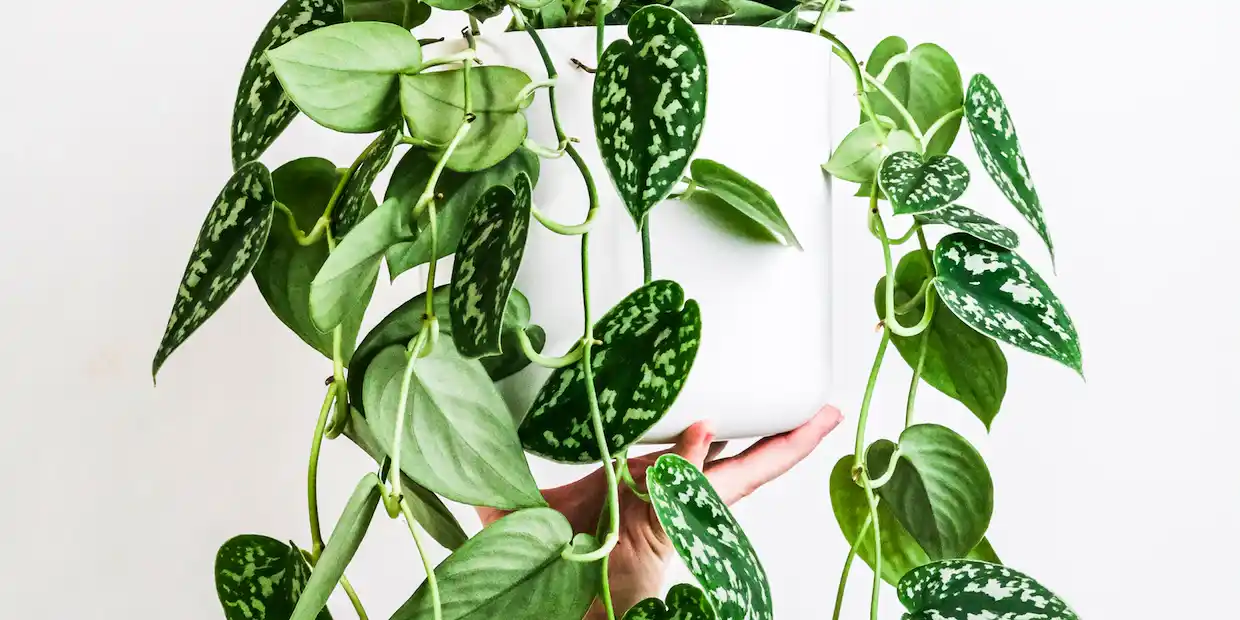
- Pothos and Philodendron: Resilient plants, great for shelves and require little maintenance. They also excel at purifying the air around them.
- Reference: Green Wall Decor Ideas Using Only One Plant
Keep in mind that the frequency of watering should be significantly reduced for plants that are exposed to artificial light. You now know that there is a way to make those dark and unwelcoming places brighter.
For more information on plants thriving in low light conditions, you can also refer to these articles:
Light Information
| Aspect | Recommendation |
|---|---|
| Minimum Daily Hours | 8-10 hours |
| Ideal Daily Hours | 12-16 hours |
| Light Type | Grow light bulbs or fluorescent lighting |
| Light Fixture Height | Adequate for reading without straining eyes |
| Light Adjustment | If insufficient, adjust fixture height or add more fixtures |
| Light Timing | Use timers for consistent on/off cycles |
About the Author
Chris Hall
Green Thumbs Aren't Born, They're Made! Christopher Hall has been an avid indoor gardener for over 10 years and has helped many friends and family members keep their plants alive and thriving. He has a blog, which is dedicated to teaching others how to cultivate healthy plants indoors.