How To Trim Different Leaf Shapes And Make Your Plants Look Like New

Trimming and Pruning Guide for Aesthetic Plant Care
In today's lesson, we will guide you through the process of trimming various types of leaf shapes to give your plants a fresh and manicured appearance.
It's important to note that I have over a decade of experience working with plants, focusing on their aesthetic aspects. This dedication ensures that plants remain tidy, well-groomed, and in excellent health.
Understanding the Difference between Trimming and Pruning
- Trimming: This involves cleaning your plant by removing damaged or diseased leaves and parts of the leaves.
- Pruning: This process involves cutting down the stems and branches of your houseplants to maintain them in the proper shape.
Please note that today's discussion will focus on pruning.
Pro Tip: If you notice any dry, brown, or yellow patches on your plants' leaves, consider arranging a pruning session to maintain their health.
Tools You'll Need
- Sharp scissors
Note: Dull scissors can bruise leaves, so ensure your scissors are sharp for optimal results.
Leaf Shapes and How to Trim Them
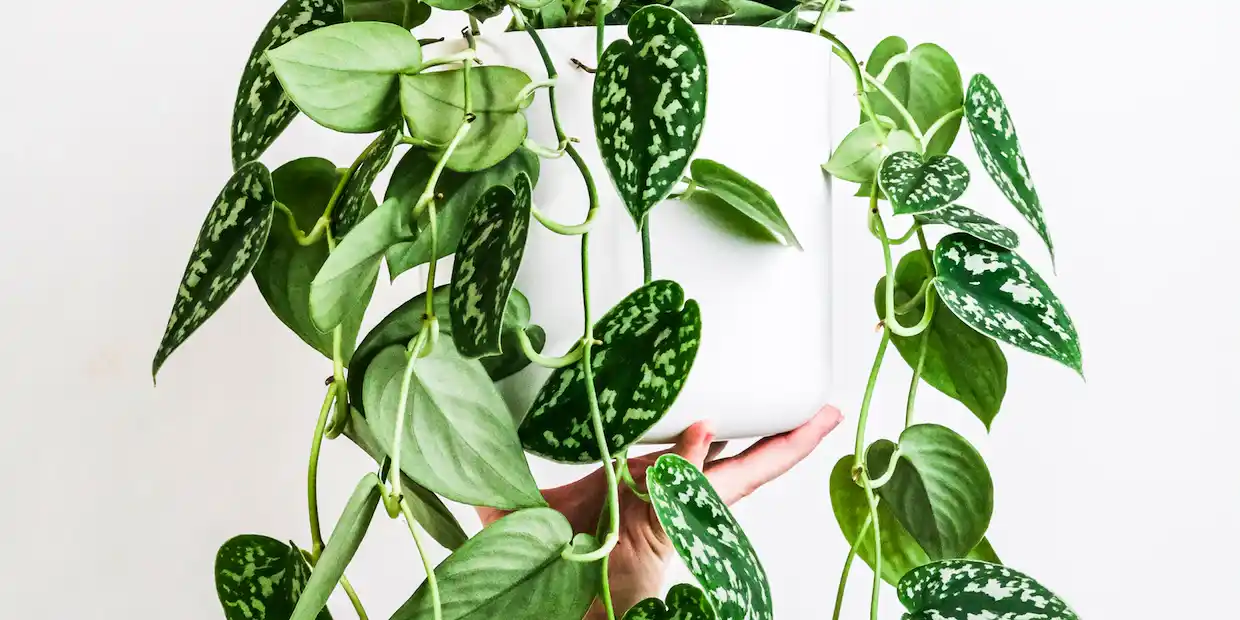
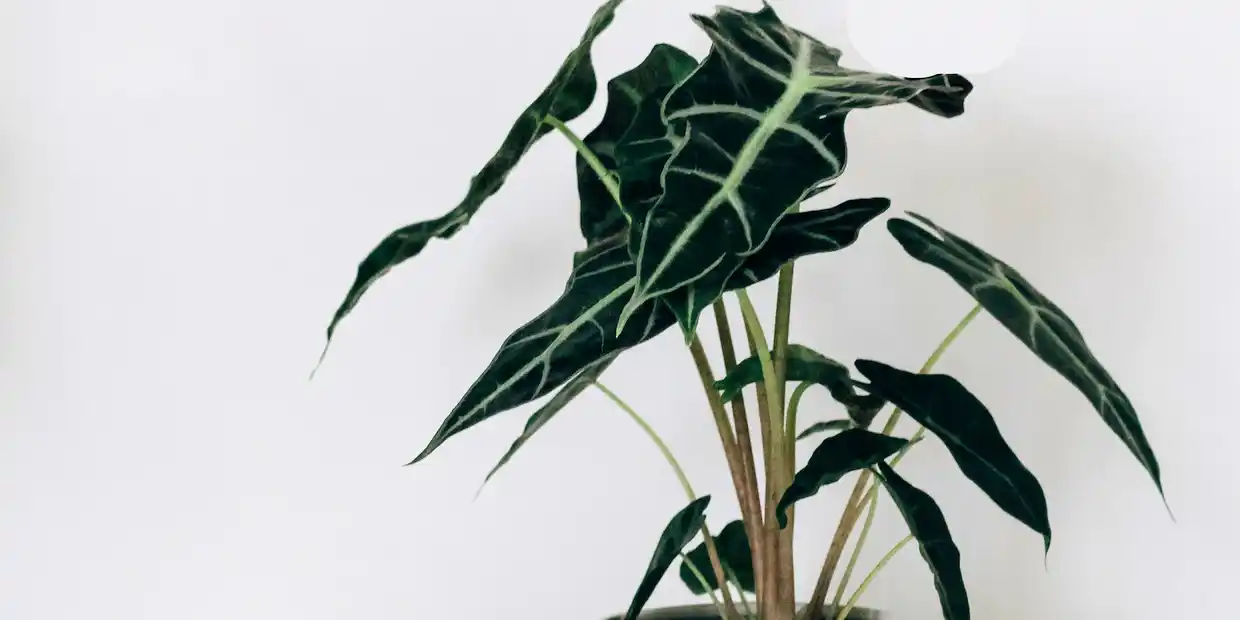
1. Round or Oval Leaves (e.g., Pothos, Fig Tree, Stromanthe, Aglaonema)
- Technique: Follow the natural curve of the leaf while trimming.
- Example: Fig tree leaves have a round form with a distinct wave, while Pothos leaves are circular with a sharp tip.
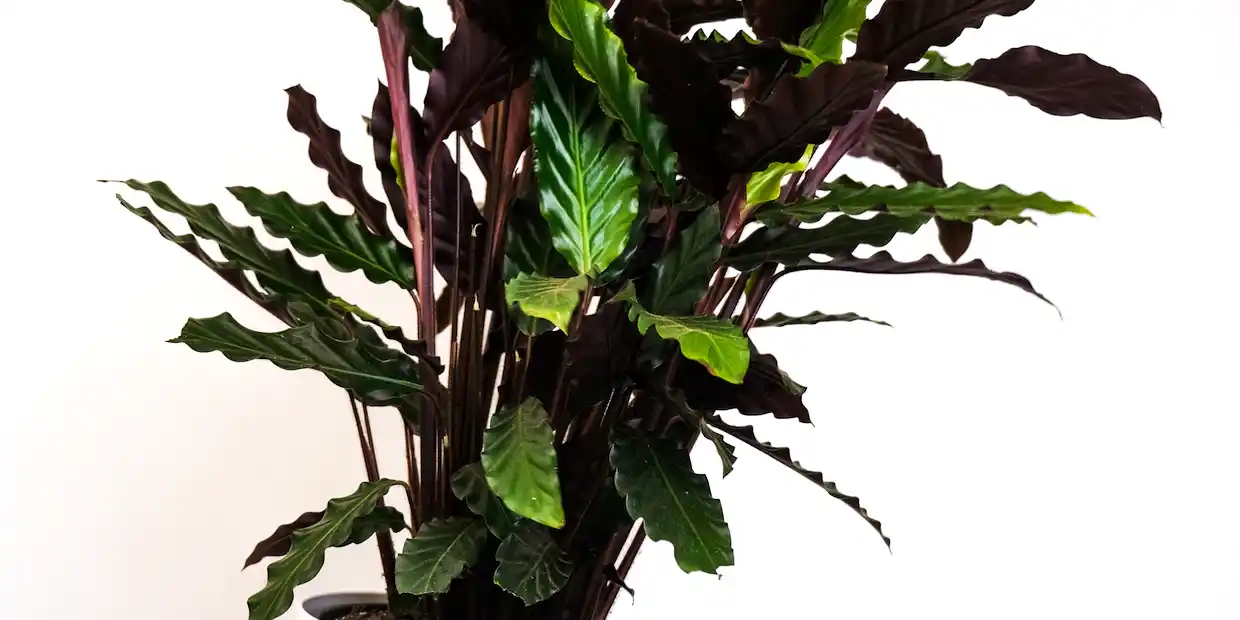
2. Oblong Leaves (e.g., Bird of Paradise, Rattlesnake Calathea)
- Technique: Follow the natural curvature of the leaf's form.
- Example: Bird of Paradise leaves have an elongated form with a rounded tip.
- Example Plants: Bird of Paradise
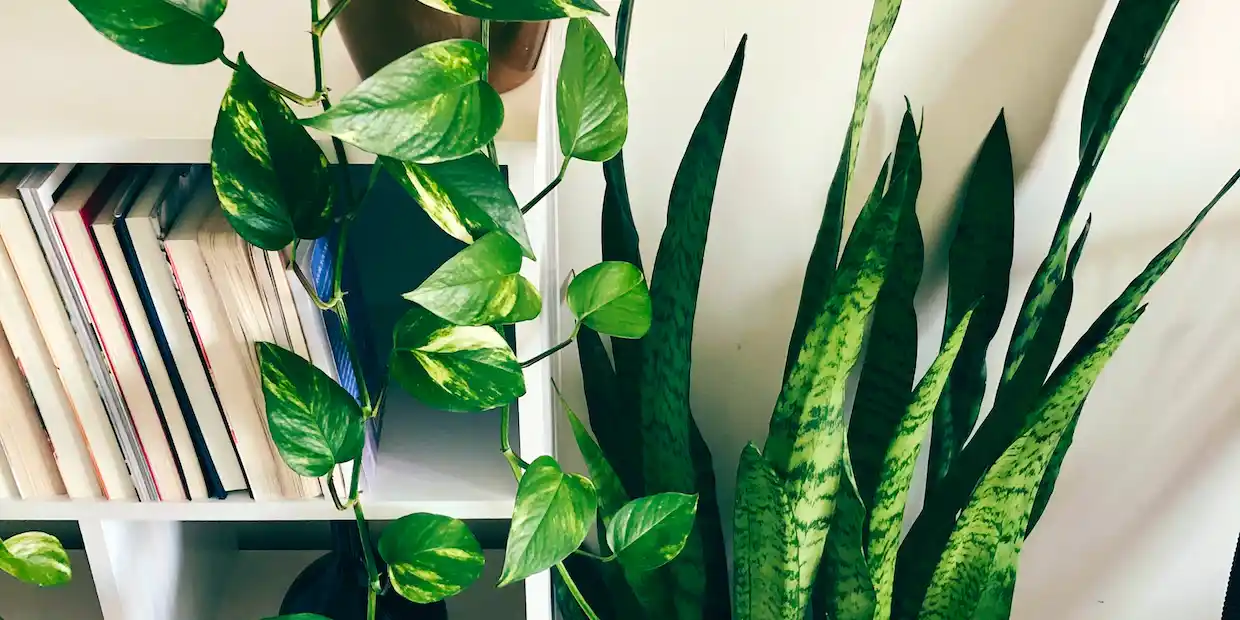
3. Linear, Pointed Leaves (e.g., Corn Plant, Dracaena Lisa, Yuca, Snake Plant)
- Technique: Trim along the natural line of the leaf.
- Example: Corn plant leaves are linear and pointed.
- Example Plants: Plants Everyone Must Have
4. Leaves with Multiple on a Single Stalk (e.g., Bella Palm, Kimberley Fern, ZZ Plant)
- Technique: Trim each leaf separately, maintaining their distinct shapes.
- Example Plants: Best Creeping or Vining Houseplants
Important: Take your time and ensure a perfect slant when trimming pointed leaves to preserve their natural appearance.
Proper Pruning Techniques
- Trim leaves as close to the base of the stem as possible to remove dry or discolored portions.
- For plants like the snake plant or Bella palm, consider severing roots at soil level for optimal results.
Caution: Avoid exposing stems by trying to treat and remove each leaf separately.
By following these techniques, you can enhance the appearance and health of your plants. Remember, patience and precision are key!
| Leaf Shape | Example Plants | Trimming Technique |
|---|---|---|
| Round or Oval | Pothos, Fig Tree, Stromanthe, Aglaonema | Follow natural curve |
| Oblong | Bird of Paradise, Rattlesnake Calathea | Follow natural curvature of form |
| Linear, Pointed | Corn Plant, Dracaena Lisa, Yuca, Snake Plant | Trim along natural line |
| Multiple on a Single Stalk | Bella Palm, Kimberley Fern, ZZ Plant | Trim each leaf separately, maintain shapes |
| Special Pruning Techniques | Snake Plant, Bella Palm | Trim at soil level for optimal results |
Happy trimming! 🌿
About the Author
Chris Hall
Green Thumbs Aren't Born, They're Made! Christopher Hall has been an avid indoor gardener for over 10 years and has helped many friends and family members keep their plants alive and thriving. He has a blog, which is dedicated to teaching others how to cultivate healthy plants indoors.