How to care for the Tulsi plant also known as Holy Basil

How to Care for a Tulsi Plant and Protect it from Insects
Tulsi is a very precious and significant plant for all of us. Today we will go over how to care for a Tulsi plant and how to protect it from insects.
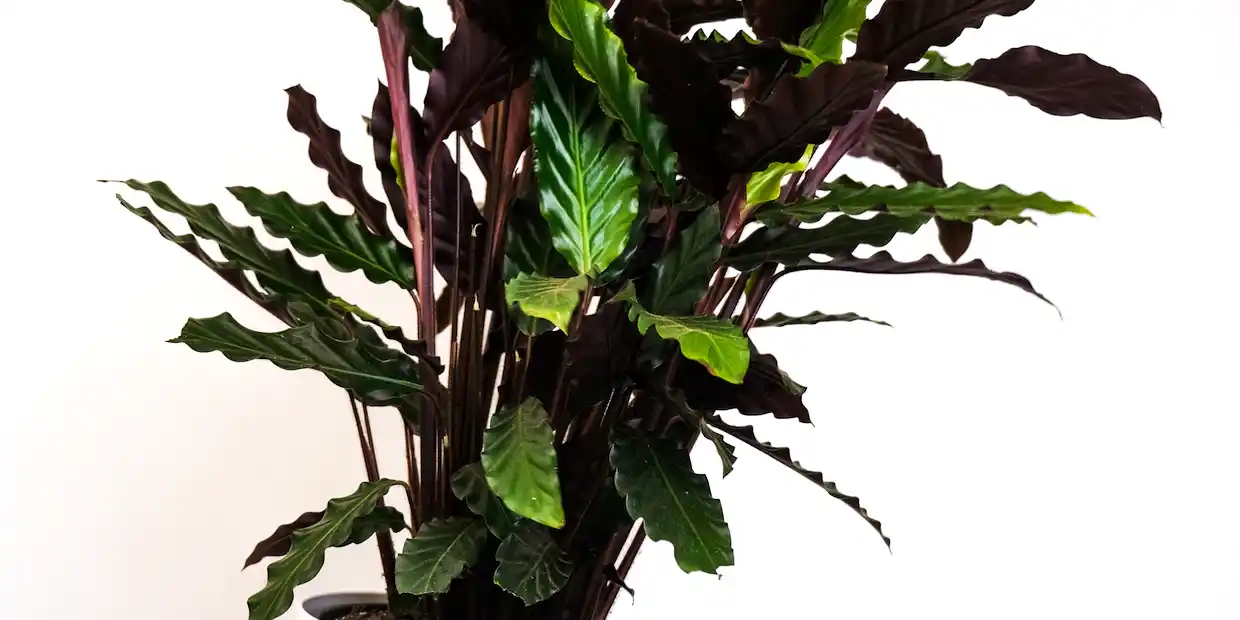
If the Tulsi plant is planted with the proper soil composition, it will become our permanent plant and will never die. Let's discuss which Tulsi plant has the most therapeutic potential. So we have the black leaf, known as Shyam Tulsi, which has many therapeutic virtues, but we can just as readily ingest green Tulsi. Both Tulsi plants provide several advantages, and Ayurveda recommends that we drink Tulsi once a day.
We frequently overwater the Tulsi plant, which causes fungus to grow on its roots and causes the Tulsi plant to wilt. You will need to put sand here, my friends. In its soil combination, sand drains quite well. So 70% of our natural soil and 30% of our sand will be preserved. This is critical, friends; if you have a Tulsi plant at home, always have this combination on hand. So that your Tulsi stays green and thick and is always a perennial plant.
Sand does not cause drainage issues and grows quite nicely. Let's combine them. Now that our soil combination is complete, we must add nourishment to it. We will add cow dung, which is completely organic, to the soil mixture so that it is full of nutrients and will offer good nourishment to the Tulsi plant.
Pot Selection
The second topic we'll go over is pot selection. You can see the drainage holes here, how large and large they are, and how they will not allow water to mingle at all. You can also observe the pot's size, which is 7 to 8 inches. Always use a pot that is at least 7 to 8 inches in diameter.
Now, at the base, we must add a little sand—that is, sand so that the water drains well. We keep coming back to water because, friends, you always add more water and your Tulsi plant dies. Your Tulsi plant will never die if you use this strategy. Now that your task is over, you may water your Tulsi plant.
You can offer as much water as you like the following time, but the next time you will only give a restricted amount of water and keep a cap of at least 5 to 6 days in the winter.
Ipsum Salt Application
Our third and most crucial point is ipsum salt, often known as magnesium sulfate. And it is simple to apply to any Tulsi plant or any plant. In a water bottle, one spoon equals one liter.
What are the advantages of ipsum salt, then? That will be your initial query. So you will get all the specifics in the description, plus there is one key element that I will provide here. Ipsum salt aids in the production of chlorophyll, making the plant more green and thick. As a result, we can sprinkle ipsum salt on any plant, particularly a green one. This is particularly beneficial to the plant's health since it aids in the production of chlorophyll.
Now I will tell you how long ipsum salt will last. It must be given after 20 to 25 days; it cannot be given earlier. And if you sprinkle ipsum salt on the plant once, you will devour its leaves after at least one day, even if you wash them.
Pinching for Growth
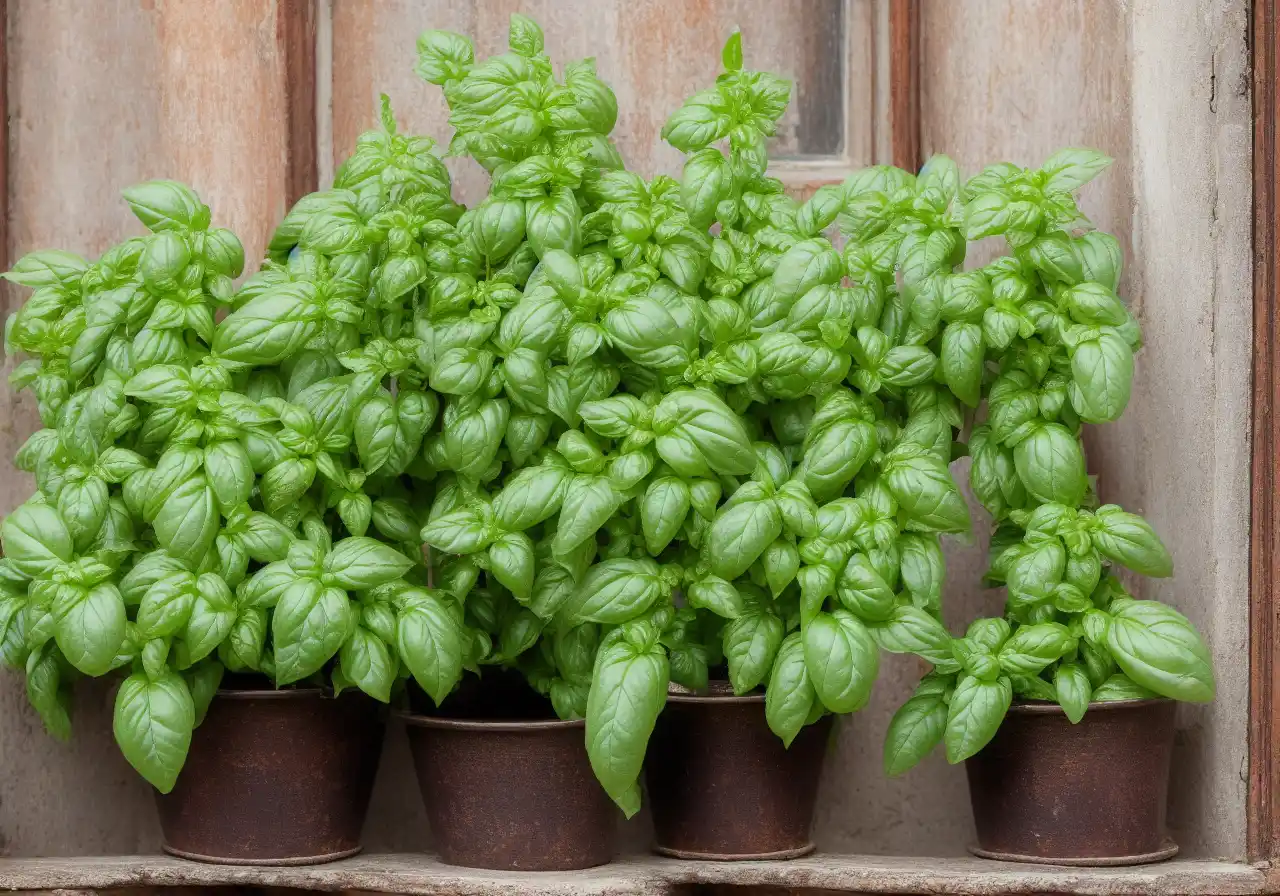
We've arrived at the fourth phase, when you must unhook the Tulsi plant's head. Pinching will initiate back budding and cause the plant to grow exceedingly large, thick, and bushy. The application of ipsum salt and pinching has resulted in a highly bushy Tulsi plant, as seen above. It has numerous branches and its leaves are quite green; our Tulsi plant is very green. You may also pinch the Tulsi plant and apply iodized salt. And maintain the plant in direct sunlight at all times for optimal development.
Seed Pod Removal
The fifth critical point is our Tulsi population; if the seed pod has begun to form, we must remove all of them. This extends the plant's life; if you leave the seed pod, your Tulsi plant will believe that its time has come to an end. After the seed develops, it begins to die, so we must remove all of the seed pods as soon as possible to extend the life of the Tulsi plant.
Protection from Insects
Number six is that we should safeguard our Tulsi plant from Kesar with insects and mosquitoes. In the summer, our Tulsi plant grows well, but in the winter, a lot of insects eat it. So we must utilize neem oil spray, which is extremely simple and readily available, and our neem oil spray is completely organic. The process for utilizing neem oil spray is quite simple; simply place 10 drops of neem oil spray in a 1-liter water bottle. Following that, we will spray the entire plant, particularly where insects are attacking, using rapid water. And as you can see, we are doing it on each leaf, so you must do the same.
Tulsi Seed Repurposing
Now comes our final step, number 7, and instead of throwing the Tulsi seed, we will spray it on the garden dirt or on the pot. We'll spray it all over the plant so it grows quickly.
| Topic | Summary |
|---|---|
| Soil Composition | 70% natural soil, 30% sand for optimal drainage. Add cow dung for nutrients. |
| Pot Selection | Use a pot with 7 to 8-inch diameter and ensure proper drainage. |
| Ipsum Salt Application | Use 1 spoon of ipsum salt per liter for chlorophyll production. Reapply after 20-25 days. |
| Pinching for Growth | Unhook Tulsi plant's head to encourage bushy growth. |
| Seed Pod Removal | Remove seed pods to extend Tulsi plant's life. |
| Protection from Insects | Use neem oil spray to protect from insects and mosquitoes. |
| Tulsi Seed Repurposing | Repurpose Tulsi seeds by spraying them on garden soil or pot. |
About the Author
Chris Hall
Green Thumbs Aren't Born, They're Made! Christopher Hall has been an avid indoor gardener for over 10 years and has helped many friends and family members keep their plants alive and thriving. He has a blog, which is dedicated to teaching others how to cultivate healthy plants indoors.