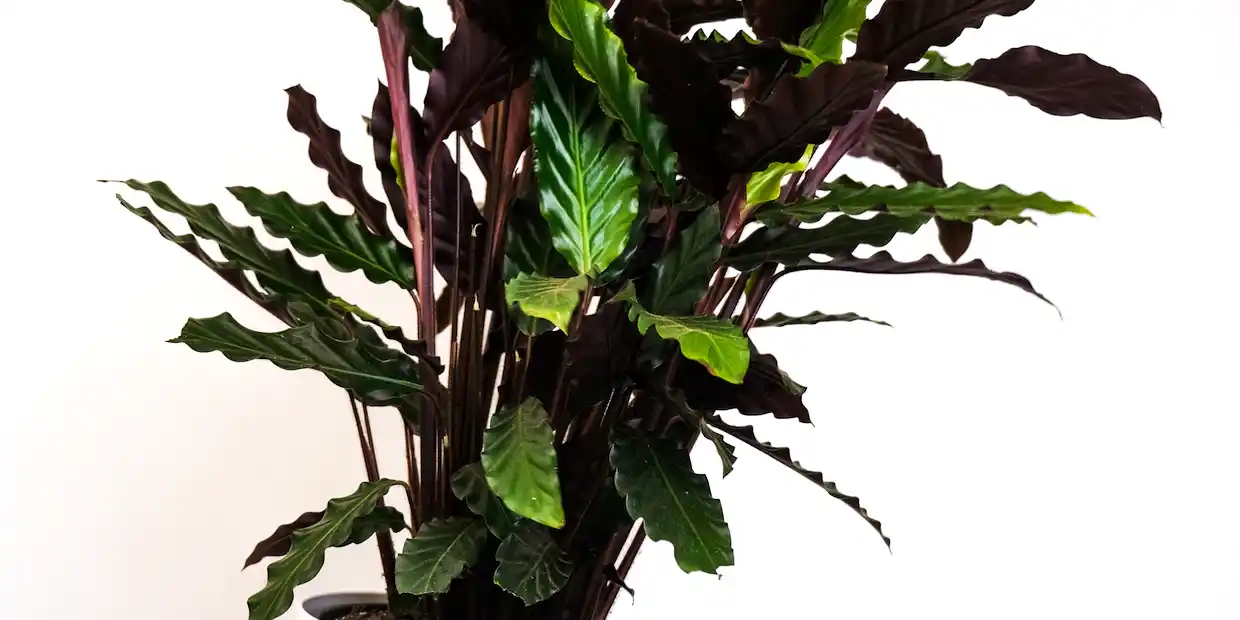
How I Fertilize Plants And My Favorite Plant Food

markdown Copy code
Fertilizing and Feeding Indoor Plants
Plants undergo their most vigorous development during the spring and summer months. The goal is to provide them with the right atmosphere, conditions, and nutrients to recover from the cold season and grow new leaves that are healthy and robust. In this article, I will share my approach to fertilizing plants and introduce my preferred brand of plant food.
Introduction
For many years, plants have been an integral part of my life. Through this blog, I aim to share my knowledge and tips on cultivating plants that are not only healthy but also thriving with joy.
When Not to Fertilize
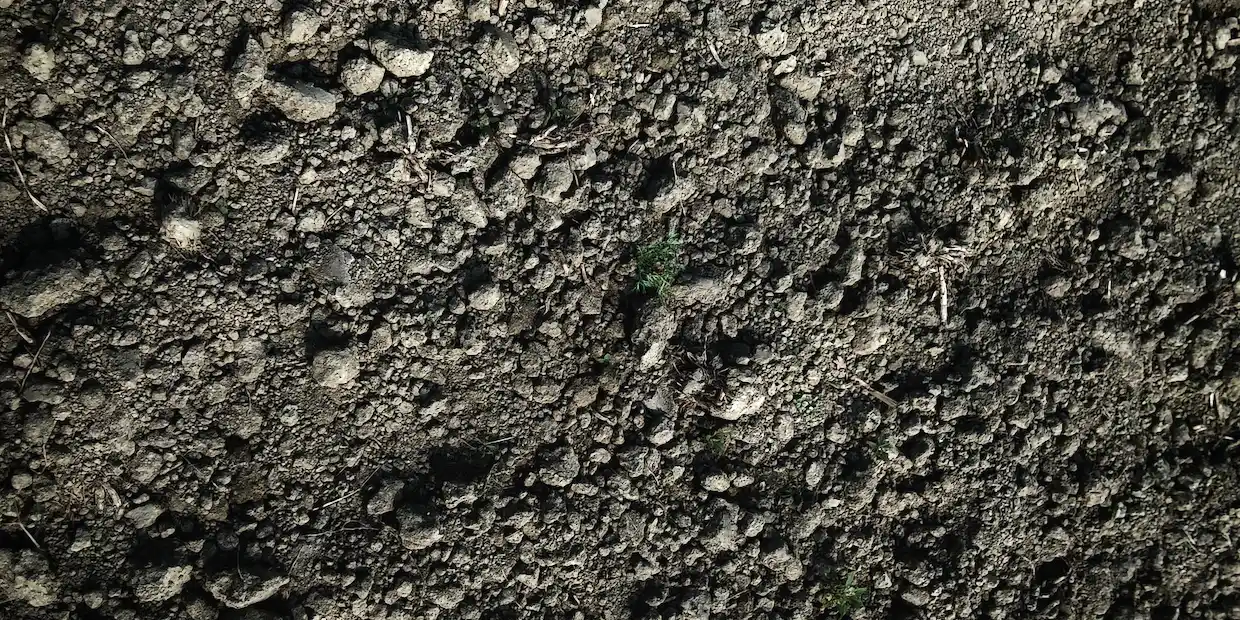
When you acquire a new plant, rest assured it has received excellent care and nourishment in the greenhouse. The soil likely contains enough nutrients for continued growth. Similarly, after repotting, refrain from fertilizing as the soil in the new pot is still fresh. Most potting mixes already contain some form of fertilizer.
Recommended Article: How to Save an Overwatered Plant
It's advised to wait six to twelve months before fertilizing a newly purchased or repotted plant.
Choosing the Right Fertilizer
There is a wide array of fertilizers available today, including natural, organic, synthetic, and various forms like liquid, granular, spike, or spray. Maintaining separate fertilizers for each plant type can be cumbersome. Luckily, I've found a chemical-free, entirely natural plant food with a mild formulation that's suitable for various plants. It won't harm leaves or roots, regardless of application frequency.
Recommended Article: How to Trim Different Leaf Shapes and Make Your Plants Look Like New
Using Preferred Plant Food
I use Excellent Earth Plant Food from March to September for optimal results. When watering, I mix one teaspoon of the plant food with one gallon of water. For my half-gallon watering can, I use half a tablespoon. Thoroughly water the plant, ensuring you remove excess soil around the base.
Winter Feeding
During the winter season, for plants not entirely dormant but producing new leaves, I continue to use the plant food. This is especially beneficial for plants with robust root systems. If there's no new growth, refrain from feeding, as the plant is in dormancy.
Adjusting Feeding Frequency
In colder weather, I apply plant food every other time I water. During the active growth period (March to August), I include plant food in every watering. When using alternative fertilizers, I recommend using half the amount indicated on the label to prevent over-fertilization.
I hope you and your plants thrive, and thank you for taking the time to read this.
About the Author
Chris Hall
Green Thumbs Aren't Born, They're Made! Christopher Hall has been an avid indoor gardener for over 10 years and has helped many friends and family members keep their plants alive and thriving. He has a blog, which is dedicated to teaching others how to cultivate healthy plants indoors.