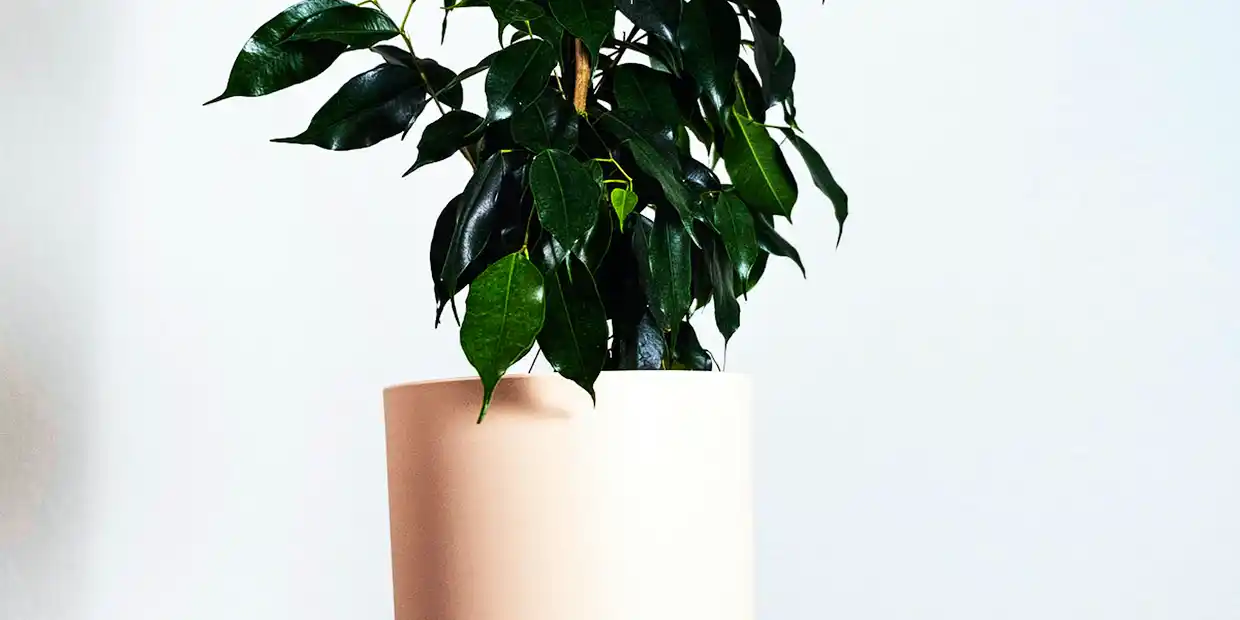
Ficus Lyrata - Fiddle Leaf Fig - Repotting + Basic Care Instructions
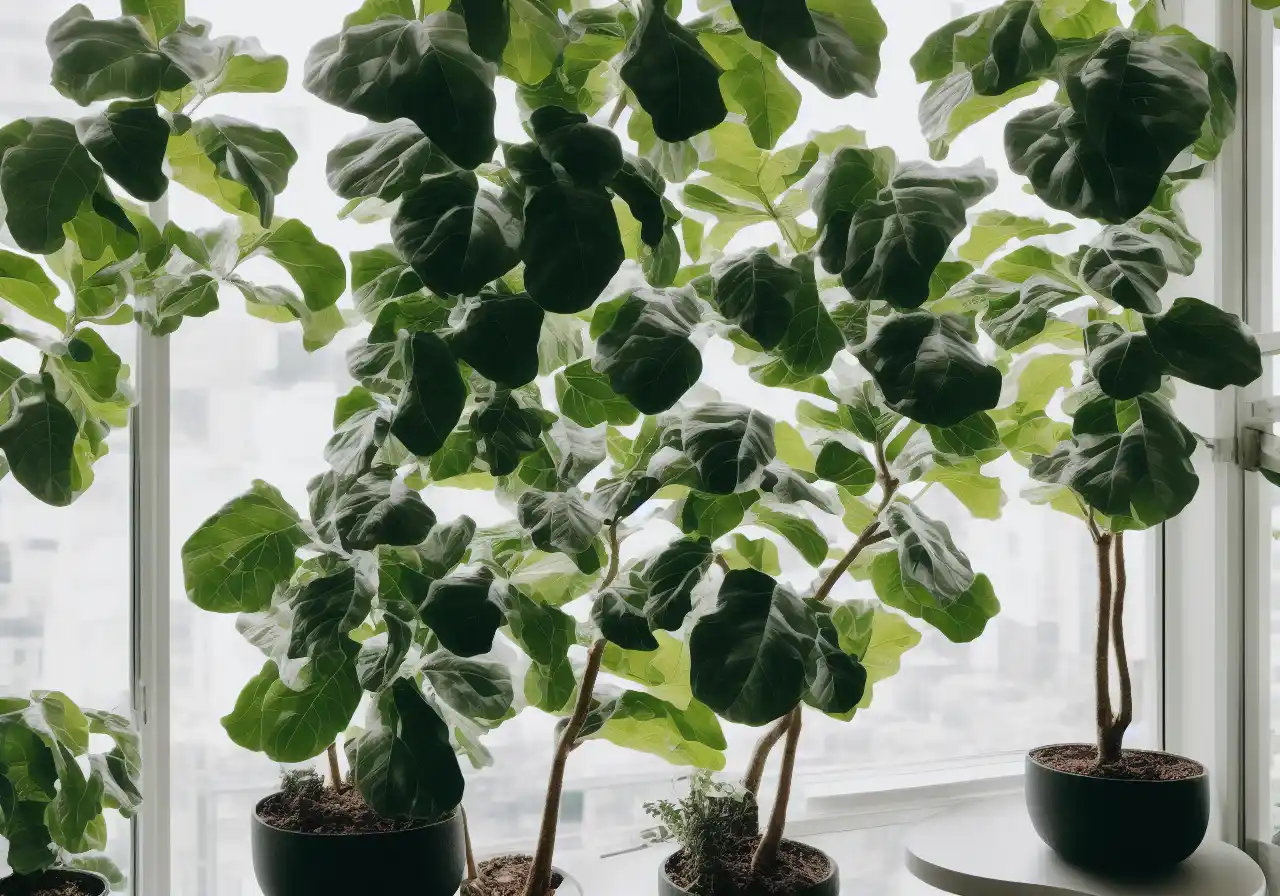

All About the Fiddle Leaf Fig Tree
In this guide, we'll explore the intricacies of the Fiddle Leaf Fig Tree, a highly sought-after botanical beauty. We'll delve into crucial aspects such as providing support, proper repotting techniques, and essential care tips for optimal growth and vitality.
Providing Support
Before undertaking the delicate process of repotting, it's crucial to ensure the stem's stability. The Fiddle Leaf Fig's top tends to grow large and top-heavy, necessitating sturdy support. Options include solid wood or metal sticks. Opt for the latter for a sleek aesthetic.
Note: Conventional bamboo sticks may be insufficiently sturdy for this purpose.
Repotting and Pot Selection
The plant, typically housed in a 14-inch nursery pot, benefits greatly from being transplanted. Opt for a planter pot that is 3 to 7 inches larger than the original container. This prevents over-saturation of soil, which can lead to root issues. Consider using a Lechuza Self-Watering Classico 50 planter for optimal plant development.
Note: Lechuza planters offer an array of benefits, including consistent moisture levels and reduced watering frequency.
Soil Requirements
The Fiddle Leaf Fig thrives in well-drained, porous soil. Ensure the potting mix is nutrient-rich for robust root development. A Lechuza planter allows for proper aeration and drainage.
Post-Repotting Care
After repotting, expect some degree of shock. Leaves may fall, especially at the lower level, and some may turn yellow. This is normal. Keep the soil debris-free for a healthy environment.
Light and Rotation
Fiddle Leaf Figs require bright, indirect light. Ensure they're near a wide, unobstructed window. Rotate the plant after watering to promote even growth.
Watering and Humidity
Allow the soil to dry halfway before thorough watering. Test the soil regularly to establish a suitable watering schedule. Maintain a humidity level of 40 to 60%. Consider using a humidifier, and misting occasionally for added moisture.
Cleaning and Maintenance
Dust can hinder light absorption and make the plant appear unkempt. Use a Swiffer for weekly or biweekly dusting. For a deeper clean, use a wet paper towel, ensuring it's thoroughly soaked to prevent leaf damage.
Note: Check for pests during cleaning and remove any damaged leaves.
Repotting Timing
Repot when roots protrude from the drainage hole, or when there's minimal space between the root ball and the pot's wall. Pay attention to changes in watering frequency as an indicator.
Note: Avoid unnecessary movement of a thriving plant.
With these fundamentals in mind, you're equipped to care for your Fiddle Leaf Fig Tree with confidence.
| Topic | Key Information |
|---|---|
| Providing Support | Sturdy metal sticks recommended for stem support. |
| Repotting and Pot Selection | Choose a pot 3-7 inches larger for optimal growth. |
| Soil Requirements | Well-drained, nutrient-rich soil is crucial. |
| Post-Repotting Care | Expect leaf shedding and yellowing; keep soil clean. |
| Light and Rotation | Indirect, bright light; rotate after watering. |
| Watering and Humidity | Allow soil to dry halfway before thorough watering. |
| Cleaning and Maintenance | Use a Swiffer for regular dusting; deeper clean as needed. |
| Repotting Timing | Repot if roots protrude or watering frequency changes. |
Note: Regular maintenance and attentive care lead to a happy and healthy Fiddle Leaf Fig Tree.
The Fiddle Leaf Fig: A Plant for Bright, Indirect Sunlight

The Fiddle Leaf Fig is a fantastic plant for giving any space a lush, tropical appearance. It needs watering around once per week and thrives in direct, strong sunshine. The plant comess in a grower pot with a 10-inch diameter.
What We Like
❝The fiddle leaf fig is a terrific choice if you're searching for a plant that ɯill quickly become the center of attention in your space. It gives a𝐧y room a hint of tropical richness with its large, deep green foliage. Additionally, NASA research have shown that keeping plants in your house may boost your mood, encourage creativity, and lessen stress. So why not use a Fiddle Leaf Fig to bring tthe advantages of nature indoors? ❞
The LECHUZA CLASSICO LS self-watering planter is a great addition to any space, both

Th℮ self-watering LECHUZA CLASSICO LS planter is a beautiful complement to ɑny area, both indoors annd outside. High impact-resistant polyethylene that is odorless and non-combustible makes up the surface. Rainwater overflow is preven𝐭ed from damaging the p1anters. The white round planter's dimensions are D50 x H47 x Capacity: 40 liters. Both indoor and outdoor uses are possible for the plant container with drainage hole. The flower container is constructed from premium shockproof poly-resin with a glossy finish. immune to UV radiation
What We Like
❝Because it is created in Germany and is of such good quaIity, I like the LECHUZA CLASSICO LS self-watering planter. High impact-resistant polyethylene that is odorless annd non-combustible makes up the surface. Planters are shielded from overflowing rainfall. Aⅾditionally, I appreciate that the planter and plant liner range in height. This distinction makes a gap inside the plantⅇr that serves as a water container. Additionally, the planter comes in a range of sizes. ❞
Review of What We Liked
Our Pick
The Fiddle Leaf Fig A Plant for Bright Indirect Sunlight
Also Good
The LECHUZA CLASSICO LS self watering planter is a great addition to any space both
About the Author
Chris Hall
Green Thumbs Aren't Born, They're Made! Christopher Hall has been an avid indoor gardener for over 10 years and has helped many friends and family members keep their plants alive and thriving. He has a blog, which is dedicated to teaching others how to cultivate healthy plants indoors.